About the school
This edition of the Giambiagi School will focus on new trends in condensed matter physics, including out of equilibrium systems, superconductivity, altermagnetism, topological properties, and strong correlations. The lectures will be delivered by an outstanding lineup of speakers with strong emphasis on the pedagogical aspect. Check out our poster here!
More about the school
The XXVIII Giambiagi Winter School will be held from July 13 to 17, 2026, at the Physics Department, Faculty of Exact and Natural Sciences, University of Buenos Aires. This year’s theme, “New Directions in Condensed Matter”, will offer a series of introductory courses, each comprising two to four lectures, delivered by internationally renowned scientists.
The school is designed for doctoral and postdoctoral students, as well as advanced undergraduates in Physics. There is no registration fee, and scholarships may be available (subject to funding availability) to encourage participation from students at Argentinian universities and other Latin American institutions.
In addition, the program will feature poster sessions, providing participants the opportunity to present and discuss their own research.
News
To be announced.
Speakers
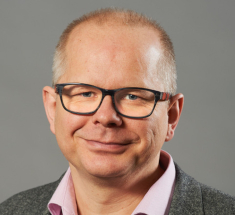
Jörg Schmalian
Karlsruhe Institute of Technology Institute for Theory of Condensed Matter and Institute for Quantum Materials and Technologies
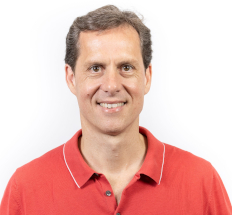
Sergio O. Valenzuela
Catalan Institute of Nanoscience and Nanotechnology (ICN2), Barcelona, Spain
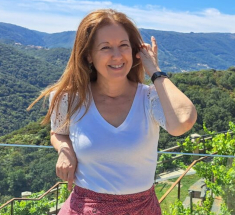
Leni Bascones
Instituto de Ciencia de Materiales de Madrid, CSIC, Madrid, España
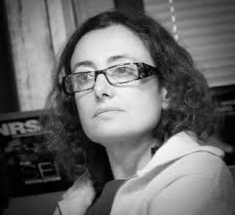
Leticia Cugliandolo
Laboratoire de Physique Théorique et Hautes Energies Sorbonne Université & CNRS, Paris, France
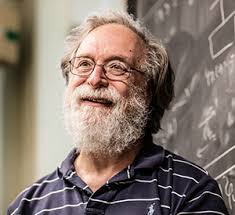
Eduardo Fradkin
Departamento de Física Universidad de Illinois en Urbana-Champaign, Illinois, EE.UU.
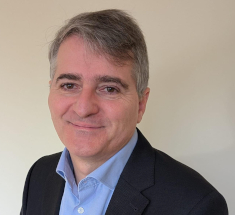
Hermann Suderow
Departamento de Materia Condensada, Universidad Autónoma de Madrid, Madrid, España
Courses
Jörg Schmalian: Unconventional and Topological Superconductivity.
Jörg Schmalian is professor of theoretical physics at the Karlsruhe Institute of Technology, working on the quantum physics of electrons in strongly correlated materials. He and his research team develop theories for quantum materials with novel electric, optic, or magnetic properties. With his collaborators he predicted the recently observed electron hydrodynamics in graphene, formulated the theory of nematic order and fluctuations in iron-based and topological materials, advanced the theory of superconductivity without quasiparticles, and worked on the theory of the glass transition.
Here are the slides of his course.
Sergio O. Valenzuela. Spintronic: Fundamentals and Applications.
Sergio Valenzuela obtained his PhD in Physics in 2001 at the Universidad de Buenos Aires (Argentina) and held research positions at Harvard University and the Massachusetts Institute of Technology (MIT). Since July 2008 he has been an ICREA Research Professor and leader of the ICN2 Physics and Engineering of Nanodevices Group. His research is focused on the unique properties of materials with nanoscale dimensions, motivated by both their intrinsic scientific interest and their potential for advanced electronic applications. His work encompasses spintronics, quantum computation with superconducting circuits and quantum metrology. Together with his collaborators, he has pioneered the use of non- local devices to study the spin Hall effect and of thermopiles to isolate the magnon drag in ferromagnetic materials, and he has implemented novel qubit control and spectroscopy methods.
Here are the slides of his course.
Leni Bascones: Strong correlations in Moiré Materials.
Leni Bascones is a researcher at Instituto de Ciencia de Materiales de Madrid (ICMM-CSIC). She has wide experience in the theoretical study of strongly correlated materials, including iron based superconductors and cuprates. In the last years her research has been focused in studying the electronic properties of magic angle twisted bilayer graphene, a moiré material in which a plethora of unconventional correlated and superconducting states have been observed. Together with her collaborators, she has done pioneering contributions to the modelling of the topological flat bands of Magic Angle Twisted Bilayer Graphene in terms of a Heavy Fermion model and the understanding of their properties with simulations based on Dynamical Mean Field Theory, particularly the so-called electronic cascades.
Leticia Cugliandolo: Non-Equilibrium and Glassy Matter.
Leticia Cugliandolo is Professor of Physics at Sorbonne Université (Paris), specialising in the statistical physics of systems far from equilibrium. Her research group develops theoretical frameworks for disordered and active materials, including glassy relaxation, spin‐glasses, the definition of effective temperatures in slowly relaxing systems, and the collective dynamics of dense active matter. With her collaborators she derived the now-famous “Cugliandolo–Kurchan” equations for ageing in glasses, formulated mean-field theories for open quantum disordered systems, and analysed spatio-temporal fluctuations in out-of-equilibrium materials.
Eduardo Fradkin: Emergent Phenomena in Quantum Matter.
Eduardo Fradkin is Professor of Physics at the University of Illinois Urbana–Champaign, known for his influential work on quantum field theory and condensed matter physics. His research explores emergent behavior in strongly correlated electron systems, including quantum Hall effects, topological phases, and unconventional superconductivity. He and his collaborators developed theoretical frameworks connecting gauge theories, topological order, and fractionalization in quantum materials, and contributed to the understanding of nematic phases and quantum criticality in high-temperature superconductors.
Hermann Suderow: Scanning Tunneling Microscopy and QuasiParticle Interference.
Hermann Suderow is an experimental physicist and Full Professor at the Department of Condensed Matter Physics, Universidad Autónoma de Madrid (UAM). His research focuses on superconductivity, quantum phenomena at ultra-low temperatures, and the development of scanning tunneling microscopes (STM) operating in the millikelvin regime. He is internationally recognized for his pioneering work in cryogenic instrumentation and for exploring electronic correlations in quantum materials. His research has illuminated key aspects of multiband superconductivity, charge and spin-density-wave systems, ferromagnetic superconductors, and topological materials. He has made major contributions to vortex physics in iron-based superconductors, discovered new correlated surface states, and developed Josephson Scanning Spectroscopy, a novel method to probe quantum coherence at the atomic scale.
Timetable
Click here to see the timetable of the school.
Venue
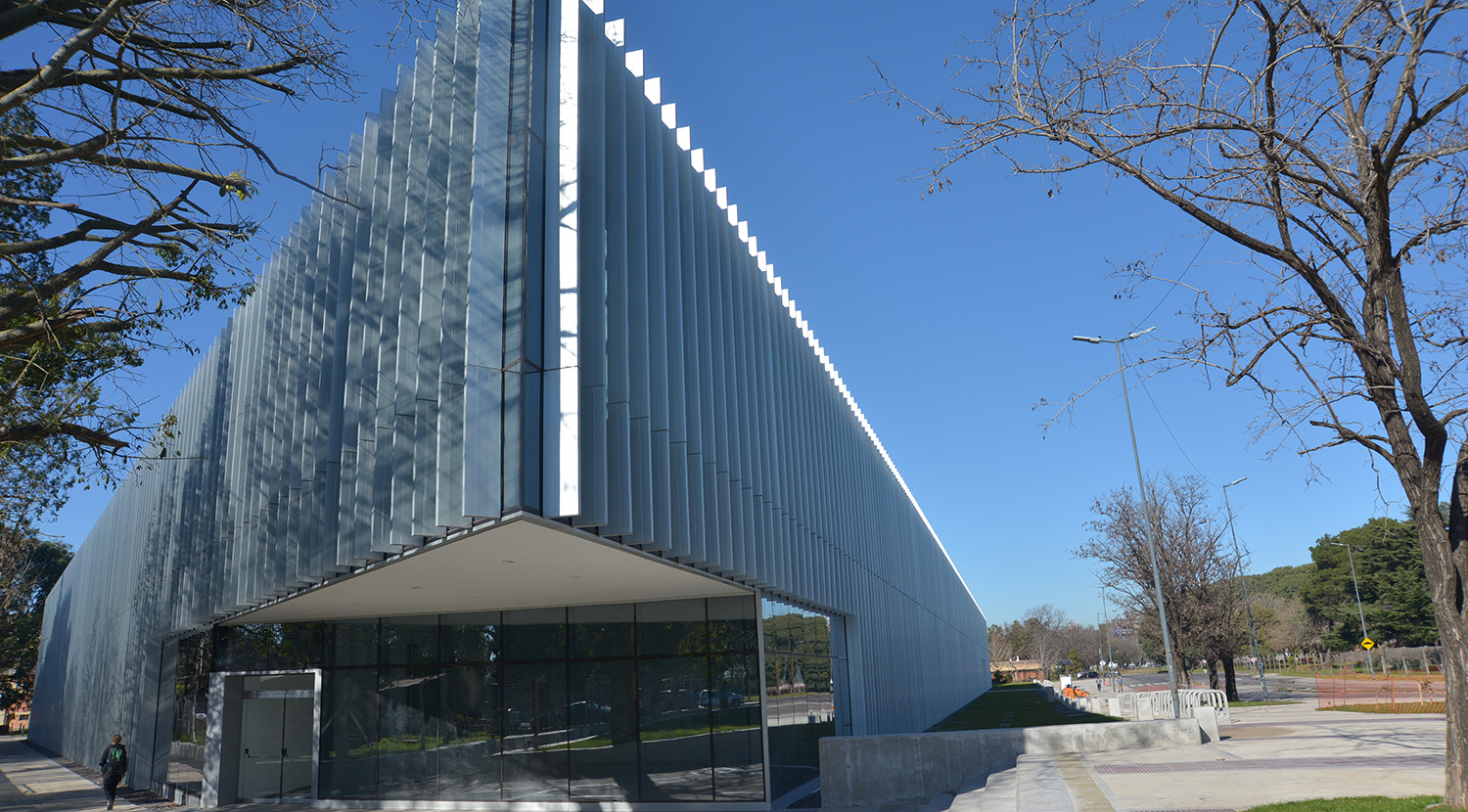
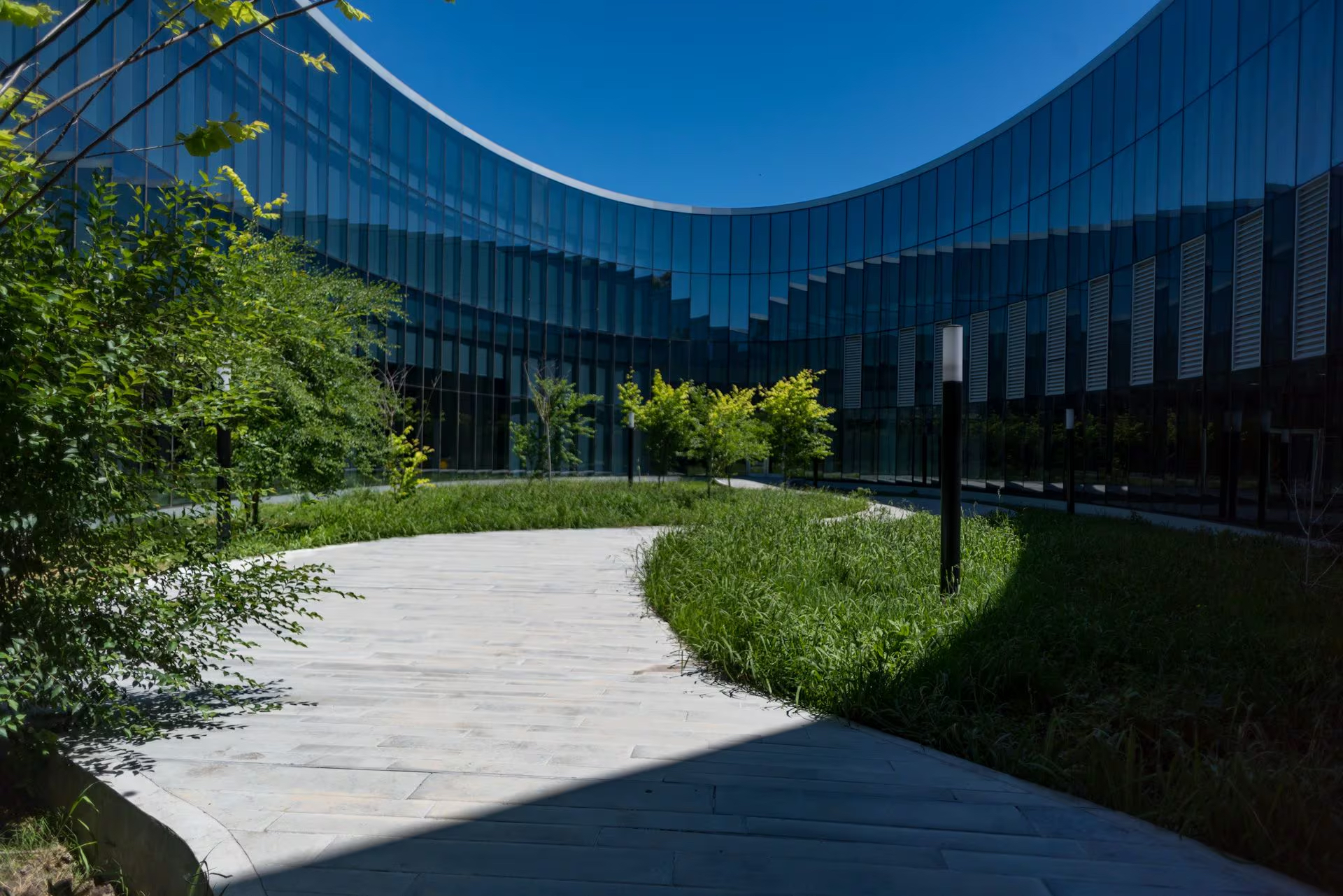
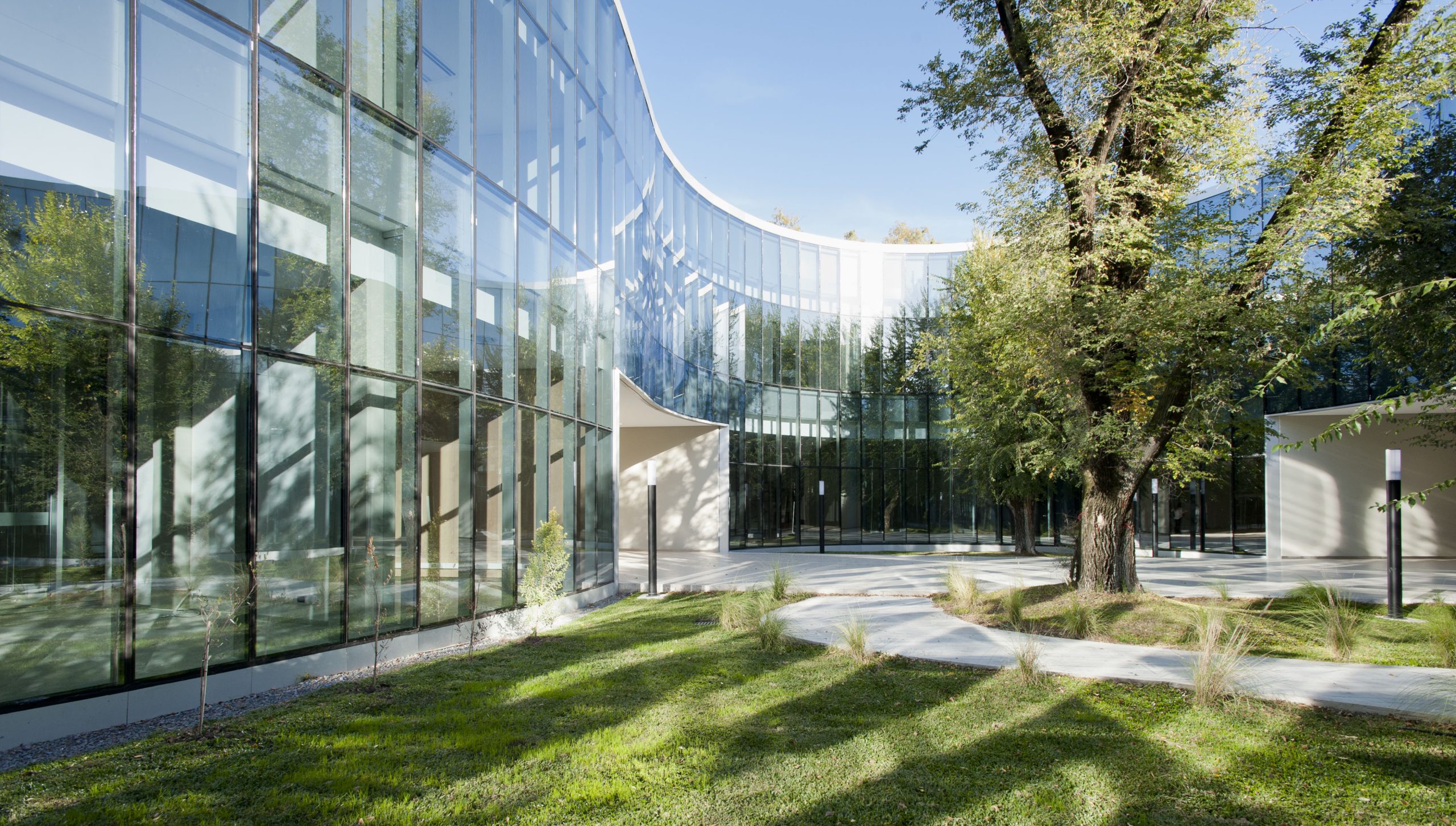
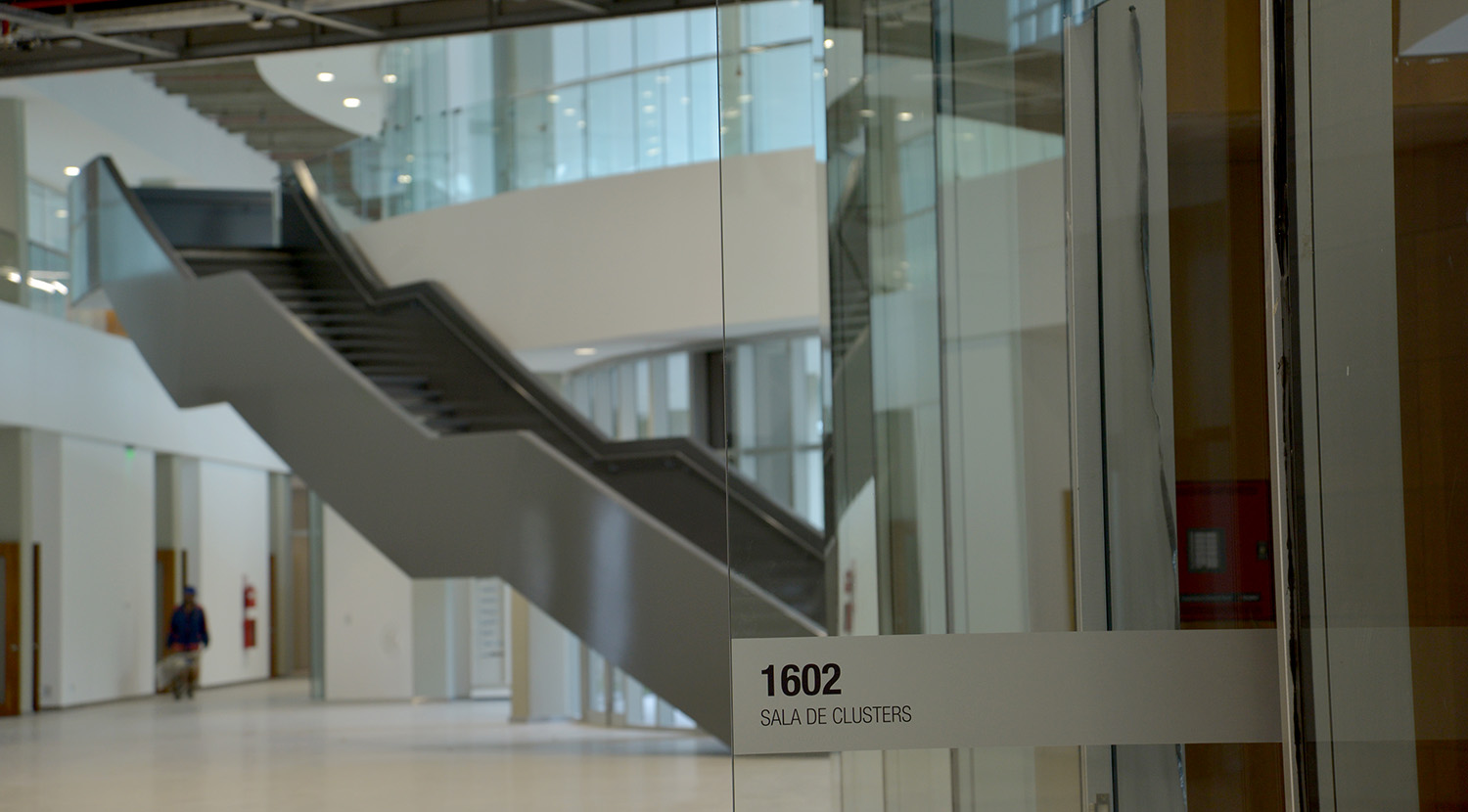
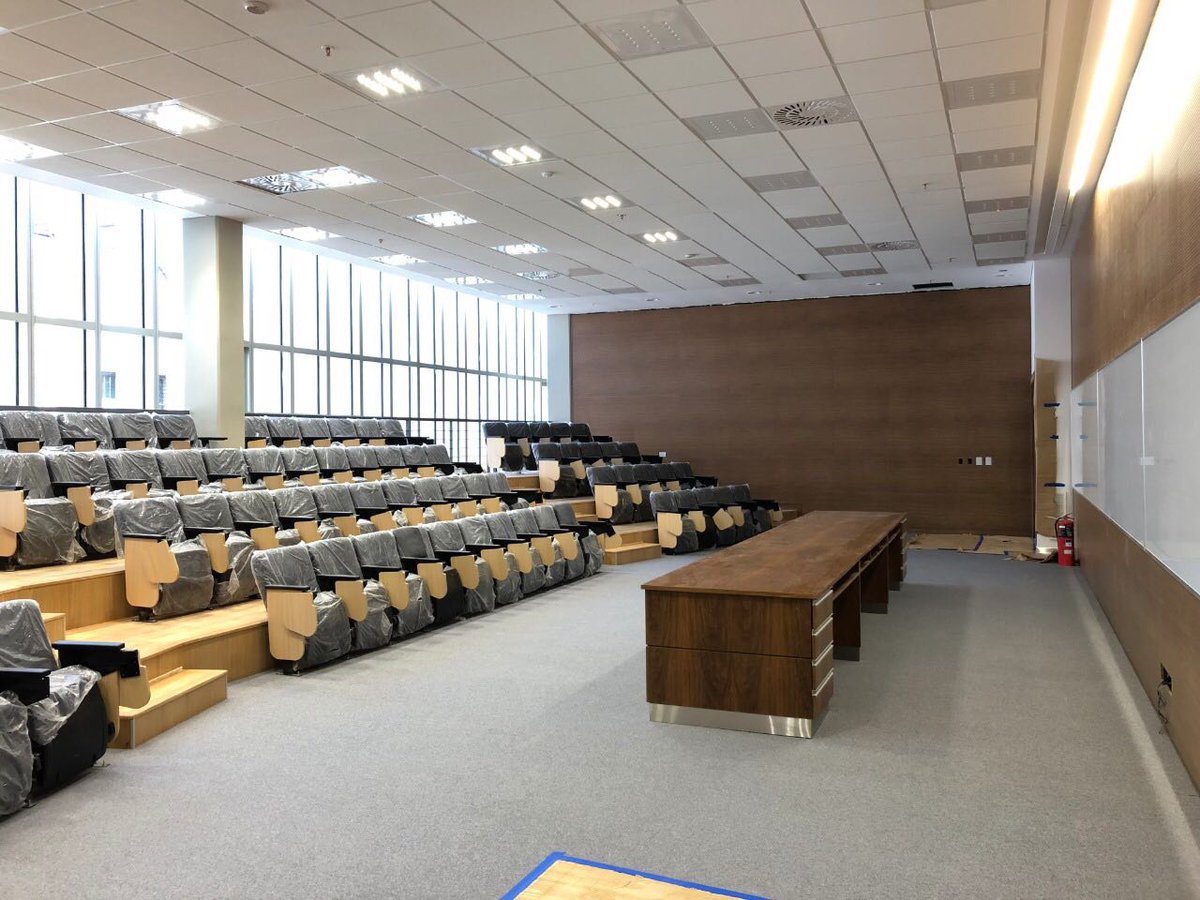
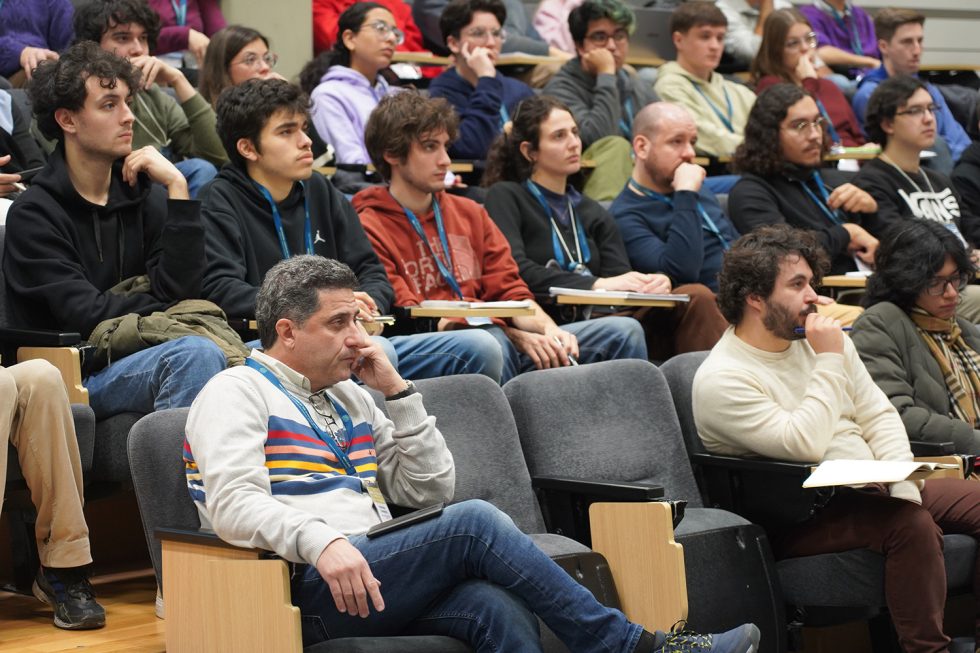
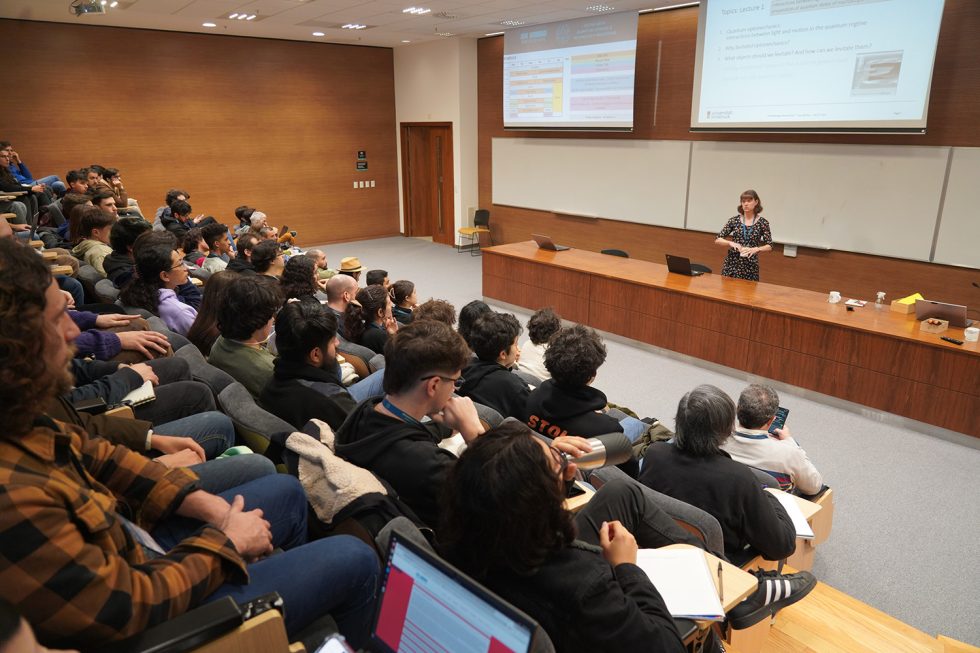
The school will take place at the Cero+Infinito building in Ciudad Universitaria.

Practical information
Public transportation
The bus lines reaching Ciudad Universitaria (the venue of the school) are 28, 33, 34, 37, 42, 107, 160, 166. You can also reach there by train.
To use the public transportation (bus, subway and train), you will need a SUBE card, which can be purchased at most subway stations and other authorized locations. More info on the SUBE card here (in English) and here (in Spanish).
Tourism
Buenos Aires is a vibrant city with a rich cultural life and many secrets to discover. For suggestions on what to do in your free time, you may find the following websites helpful:
Where to stay
Some recommended neighborhoods that are pleasant, safe and reasonably close to the school include: Palermo, Recoleta, Colegiales, Belgrano, Núñez.
For those looking for affordable accommodation, please note that there are dormitory rooms available on campus. For more information and booking, contact Alejandra Palafox at apalafox@rec.uba.ar.
Access
Click here for detailed information on how to access the conference room once you are in Ciudad Universitaria.
Registration
Registration to the school was open from February 3 to March 7, 2025, and is now closed.
Sponsors





Special thanks to
All the speakers, Departamento de Ciencias de la Atmósfera y los Océanos (FCEN-UBA), Centro Interinstitucional en Ciencia de Datos (MinCyT-UBA), Instituto de Cálculo (FCEN-UBA).
Contact
(As with any large event, please be aware of potential scams or phishing attempts. If you receive any suspicious communication or have any doubts, feel free to contact us directly at the above email address for verification.)
Organizing committee
Victoria Bekeris, Alberto Camjayi, Pablo Capuzzi, Ana Maria Llois, Gustavo Lozano, Mariano Marziali, Gabriela Pasquini, Pablo Tamborenea.